
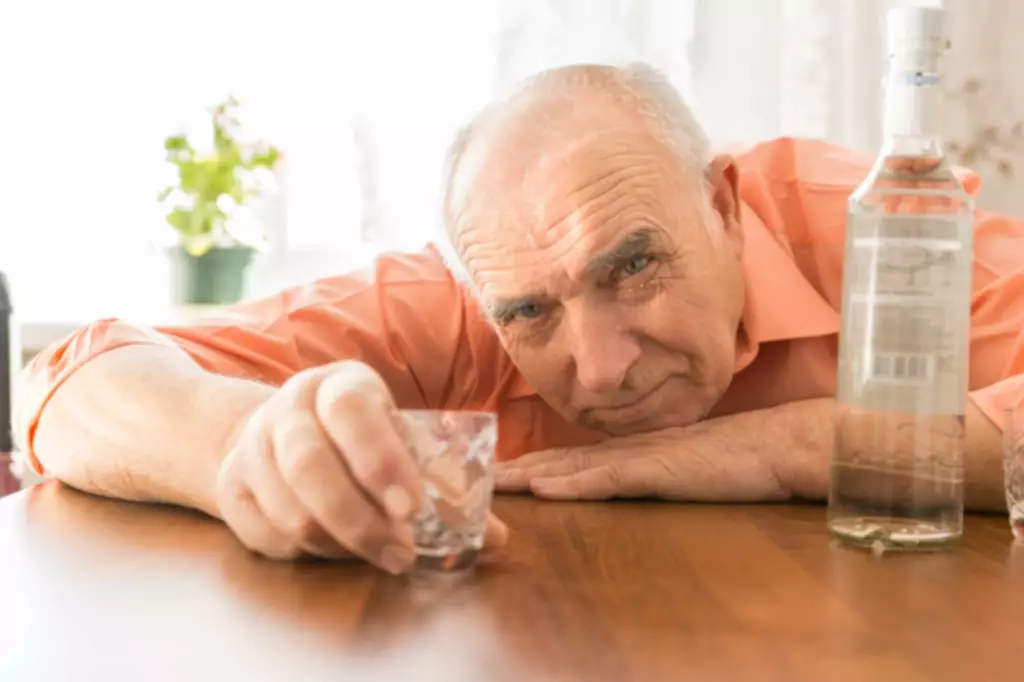
Support groups, such as Alcoholics Anonymous (AA), provide a community-based why is alcohol addicting approach to recovery. These groups offer peer support, shared experiences, and a structured program to help individuals maintain sobriety. A big part of what makes alcohol addictive is its ability to physically alter the brain’s chemistry and functioning. Alcohol addiction is a multifaceted issue that requires a nuanced understanding of its underlying causes. By exploring biological, psychological, and social perspectives, we can better comprehend the factors that contribute to addiction and create more effective prevention and treatment strategies. Understanding the theories of alcohol addiction isn’t just academic – it has real-world implications for treatment and prevention.
Medical Professionals
A person may have the intention to stop, but alcohol can affect impulse control and decision-making, causing relapse to be more likely. Addiction to alcohol can begin as alcohol abuse and quickly progress to alcohol dependency. During the early stages of alcohol use disorder, seeking treatment at an addiction treatment center can be highly beneficial. Many people recognize the harmful effects alcohol can have on their health and that of their loved ones.
Alcohol Addiction As a Medical Condition
Alcohol addiction, or alcohol use disorder (AUD), is a widespread and complex condition that affects millions of people worldwide. This article delves into these various dimensions to explain the addictive nature of alcohol. I work with a lot of large scale population level and epidemiologic data. This data are fun to work with because drug addiction the samples are well-powered to detect interesting population-wide effects, and at the same time, they’re pretty tricky to work with.

Factors Contributing to Alcohol Addiction
In regions where alcohol is readily available and inexpensive, consumption rates are typically higher. Experiencing high levels of stress, trauma, or adverse life events can increase the likelihood of alcohol addiction. Alcohol is often used as a coping mechanism to numb emotional pain or manage stress, which can lead to habitual use and dependency.

In this article, we’ll seek to answer the question, “Why is alcohol addictive? ” by demystifying the complex interplay of factors contributing to alcohol’s addictive nature, from its impact on brain chemistry to the societal norms that often reinforce its consumption. Binge drinking is defined as consuming a large amount of alcohol in a short period, which results in a person’s blood alcohol concentration (BAC) reaching 0.08 g/dL or higher. Binge drinking is strongly correlated with the development of AUD, as it can lead to increased tolerance and dependence on alcohol. The decision between inpatient and outpatient programs should be based on the individual’s requirements, the intensity of the addiction, and their personal situation. Both types of programs aim to assist individuals in managing their alcohol addiction and working towards a healthier and more fulfilling life.
- The social acceptance of alcohol can mask an alcohol problem for a while.
- This further contributes to alcohol’s depressant effects, slowing down thought processes and reflexes.
- The information on MedicalResearch.com is provided for educational purposes only, and is in no way intended to diagnose, cure, or treat any medical or other condition.
- Comprehending dopamine’s role in alcohol addiction enables individuals to make well-informed decisions about their drinking habits and seek assistance when required.
- If you have a mental illness, you are already at a higher risk of becoming addicted to alcohol, and using it to feel better can make that risk much worse.
A Root Cause of Addiction
- It’s released in the brain when you do something enjoyable, like eating delicious food or achieving a goal.
- As with other addictive behaviors, alcoholism is a learned behavior that is influenced by a person’s thoughts and beliefs.
- Mental health disorders, such as anxiety and depression, are often linked to alcohol addiction, with individuals using alcohol as a coping mechanism for these conditions.
- In the U.S. currently, the average person consumes almost 20 teaspoons a day of added sugar in things like sugary beverages, snacks, and sweets, which is enormous — it’s almost 300 calories.
- Lastly, there are many sociological factors that can contribute to alcoholism.
This approach acknowledges that no single factor explains addiction onset. Instead, it considers interactions between genetic predisposition, life experiences, mental health, and environmental influences. For instance, someone genetically predisposed to addiction may never develop alcohol dependency if they live in a supportive environment and have access to healthy coping mechanisms. Research has highlighted the strong genetic component in alcohol dependence. Studies on dopamine receptors, particularly the DRD2 gene, show that variations in genetic makeup can influence susceptibility to addiction.
- The Recovery Village Kansas City is an evidence-based alcohol addiction rehab center in Raytown, Missouri, just outside Kansas City.
- Several medications can support the treatment of alcohol use disorder.
- Alcoholism also affects the brain’s “reward center” and produces pleasurable sensations (such as anxiety reduction) when consumed.
- These can range from mild (anxiety, tremors) to severe (seizures, delirium tremens).
The Biopsychosocial Model of Alcohol Addiction
At our luxurious facility in Stowe, Vermont, individuals benefit from comprehensive care, including medical detox, therapy, and holistic treatments. AUD can only be diagnosed by a licensed mental health professional, who evaluates your experience of alcohol use and misuse based on presence of 11 clinical criteria within the last year. Recovery from alcohol addiction is tough, but you don’t need to go through it alone. Professional treatment offers expert guidance and crucial support for overcoming physical and mental challenges. The social perception of alcohol often downplays its potential risks. While drunkenness might be frowned upon, the consumption of alcohol is largely normalized and even expected in certain settings.
Rehab

Treatment centers, support groups, and counseling can all provide tools to break the cycle, learn healthier coping skills, and find a path to recovery. Alcoholism use disorder affects more than 29.5 million individuals starting as early as 12 years old, according to the 2022 National Survey on Drug Use and Health (NSDUH). In the picturesque and serene setting of Stowe, Vermont, individuals seeking recovery can find luxury rehab services at Sana at Stowe that offer a comprehensive approach to overcoming addiction. Alcohol is a legal and readily available substance in the United States. The interaction between alcohol and dopamine, serotonin, and other neurochemicals produces feelings of euphoria and sedation.
Neueste Kommentare