

You no longer need to run from discomfort—you are strong enough to face any challenge. And when you can face life, as it is, fully present, there is nothing addiction can offer that you don’t already have. At Midwest Recovery Centers, we have seen firsthand how critical a safe, supervised detox process is to successful recovery. By ensuring you are comfortable and fully supported physically and emotionally, we know your chances for long-term recovery are excellent.
- In the same way, we could develop treatments that target whatever is captured or quantified in this general addiction liability dimension or more, and we could target that.
- However, what’s important to understand and educate more people about are the early stages of alcohol use disorder.
- Alcohol works on the same “feel-good” brain chemicals that reward you for those “human survival” activities, but alcohol releases more of them.
- Developing coping skills for addiction is crucial for long-term recovery.
- I think so, especially as I said a minute ago, if you just take four diagnosis and you extract a factor that reflects them, when most people do to have comorbid SUD.
- This results in tolerance—needing more alcohol to achieve the same effect.
The Roots of Stress: Rāga and Dveṣa
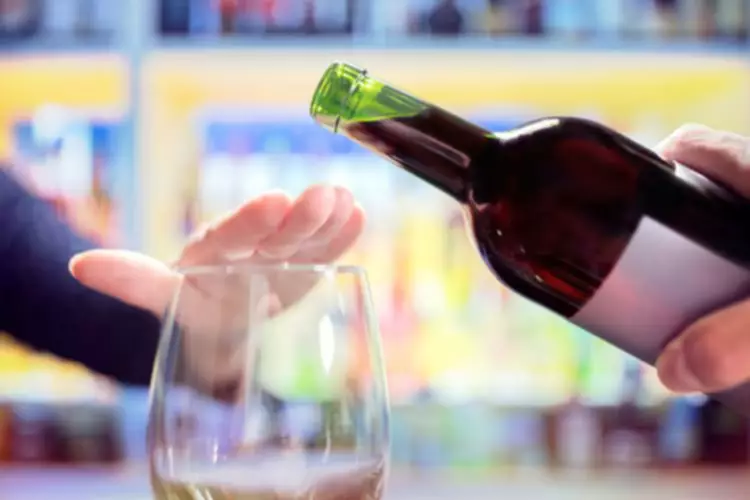
Alcohol use disorder (AUD) is a chronic but treatable medical condition. As with other chronic conditions, like diabetes or coronary artery disease, you can learn to manage AUD and live a happy, healthy, and sober life. Take a firm step towards recovery today by calling us at (866) 986–1371 or filling out our contact form. Your journey to a better life can start right now, and we are ready to walk with you every step of the way. why is alcohol addicting Recovery can be an emotional rollercoaster, and a supportive environment providing physical and emotional safety can make all the difference.
Rehab Programs

Drawing from her background in local improv groups, she infuses sessions with laughter and humor, fostering a non-judgmental space for clients. Darcie believes in collaborating with her clients, tailoring interventions to suit their individual needs. Courtney’s professional experience in substance use treatment began in a holistic residential treatment center. Since then, she has worked across various settings including outpatient, inpatient, and community corrections programs.

The Benefits of Seeking Professional Help for Alcohol Addiction
If you have someone who presents with an alcohol use disorder, it means they probably also have a cannabis use disorder, maybe also Drug rehabilitation have a tobacco use disorder, and so on. It’s good that people don’t present with 7, 8, 9 drug use disorder diagnosis. Beyond two, That’s just statistically what one of my old advisors would call decimal dust, meaning it’s just not represented in the population. Around half of people with substance use disorders also have co-occurring mental health disorders. Mental health and alcohol addiction influence each other in a couple of ways. People with conditions like depression, anxiety, trauma, or bipolar disorder may use alcohol to cope with their psychiatric symptoms.
- Key areas of their brains had undergone dramatic functional changes compared to healthy rats.
- I think of myself as a quantitative psychopathologist, though my personality training creeps in from from time to time, too.
- The body, meanwhile, develops a tolerance to alcohol as it strives to regain equilibrium in response to regular drinking.
- The behavior becomes ritualized—something you must do to feel normal.
Those who drink only a few times a year are the least likely to say the news will lead to them cutting back. Even so, 14% say they plan to drink a lot less and 20% plan to drink a little less. Among all drinkers who have heard of these studies, 41% say they plan to reduce the amount they drink either a lot (11%) or a little (30%) due to the findings. This kind of recruitment gives nearly all U.S. adults a chance of selection.
- The discomfort or anxiety dissipates, and a temporary sense of peace or euphoria takes its place.
- The interaction between alcohol and dopamine, serotonin, and other neurochemicals produces feelings of euphoria and sedation.
- It’s the brain’s way of seeking relief from the discomfort caused by the trigger.
- People with conditions like depression, anxiety, trauma, or bipolar disorder may use alcohol to cope with their psychiatric symptoms.
- The more a person drinks, the likelier they are to become dependent on alcohol to manage stress and emotions.
Treatments
Chanel describes herself as a humanistic therapist focused on building rapport and trust. She knows that when both of those are realized, they can accomplish each client’s unique goals together. She specializes in mood and personality disorders as they relate to addiction and is passionate about healing trauma by way of brainspotting and other trauma therapy methods. She has a goal to visit every state capitol and has been to 29 so far!
A study conducted by a California research team dealt with alcohol’s effect on endorphins, and how that effect makes alcohol one of the most addictive substances. Long-term alcohol abuse forces the brain to adapt to this increased inhibition. What the brain does in turn is increase the amount of glutamate, an excitatory neurotransmitter. Glutamate increases brain activity, essentially counteracting the increased levels of GABA.
- Any co-occurring mental health issues are also addressed in treatment.
- If she won the lottery tomorrow, Chanel said she start a bookstore with a bakery inside for guests to enjoy their favorite books with an excellent coffee and dessert.
Understanding why alcohol is addictive involves exploring its impact on the brain’s reward system and its physical and psychological effects. Recognizing the signs of alcohol abuse and seeking timely treatment are vital steps toward recovery. He describes his area of expertise as treating substance use disorders, compulsive behaviors, and co-occurring mood disorders such as depression and anxiety that may travel with a substance use disorder.
Neueste Kommentare